

Have you ever reached the end of the month and wondered where all your money disappeared? You are not alone. Many women manage homes, families, careers, and personal goals, but saving money often becomes the hardest part.
The good news is that saving does not always require huge sacrifices. Small daily changes can create a big difference over time.
These saving money tips are designed especially for women who want better control over their finances. Whether you are a homemaker, a blogger, or someone building financial independence, these simple strategies can help.
In this guide, you will learn how can I save money, how to create an emergency fund, and practical ways to make your money work smarter.

Why Saving Money Matters More Than Ever
Saving money is not only about having extra cash. It is about creating freedom and confidence.
When you have savings, unexpected situations become easier to handle. Medical expenses, repairs, family needs, or sudden income changes feel less stressful.
According to a report by the Reserve Bank of India, household savings play an important role in India’s overall financial stability. Building a saving habit helps families prepare better for future needs.
Also, a small amount saved consistently can grow into something meaningful.
The question is not only “how do I save money?” but also:
“How can I build habits that make saving automatic?”

25 Saving Money Tips To Improve Your Finances
1. Track Where Your Money Goes
The first step towards saving is understanding your spending.
Many people feel they do not earn enough, but sometimes small expenses silently reduce savings.
Start tracking:
- Grocery expenses
- Online shopping
- Subscriptions
- Food delivery
- Entertainment
- Small daily purchases
You can use a simple notebook, spreadsheet, or budgeting app.
Once you know your spending pattern, it becomes easier to decide where changes can be made.
2. Create A Monthly Budget That Works For You
A budget is not about restricting yourself.
Instead, it gives your money a clear purpose.
A simple budget can include:
- Household needs
- Savings
- Investments
- Personal expenses
- Entertainment
Many women avoid budgeting because they think it feels complicated.
However, a basic plan is enough to start.
The goal is consistency, not perfection.
3. Pay Yourself First
One of the best financial habits is saving before spending.
Many people follow this pattern:
Income → Expenses → Whatever is left gets saved
Instead, try:
Income → Savings → Expenses
Even saving 5% to 10% initially can help.
Over time, this habit becomes natural.
4. Build An Emergency Fund
An emergency fund is one of the most important financial goals.
It protects you during unexpected situations.
Your emergency savings can help with:
- Medical needs
- Job changes
- Home repairs
- Urgent family expenses
Ideally, try building savings worth 3–6 months of essential expenses.
Start small if needed.
Even a small emergency fund creates peace of mind.
5. Avoid Impulse Shopping
Online shopping has made spending easier than ever.
A few clicks can turn into unnecessary purchases.
Before buying something, ask:
- Do I really need this?
- Will I use it regularly?
- Am I buying because of emotions?
Waiting 24 hours before purchasing can prevent many unnecessary expenses.
This is one of the easiest advice on saving money strategies.
6. Use The 30-Day Rule
The 30-day rule is simple.
If you want to buy something expensive, wait 30 days.
During this time, think about whether the purchase is truly valuable.
Many times, the excitement disappears.
This method works especially well for:
- Clothes
- Gadgets
- Home items
- Beauty products
7. Cook More Meals At Home
Food expenses can quietly become a large part of monthly spending.
Cooking at home does not mean boring meals.
Simple planning can help you save:
- Prepare weekly menus
- Buy ingredients in bulk
- Reduce food waste
- Use leftovers creatively
This is especially helpful for families.
8. Make A Grocery List Before Shopping
Shopping without a plan often leads to extra purchases.
Before going shopping:
- Check what you already have
- Create a list
- Set a budget
Also, avoid shopping when you are hungry.
It can reduce unnecessary buying.
9. Reduce Unused Subscriptions
Many people continue paying for services they barely use.
Check your:
- Streaming accounts
- Apps
- Memberships
- Online tools
Cancel anything that no longer adds value.
Even small monthly savings can become significant yearly savings.
10. Learn How Money Works
Financial knowledge is a powerful tool. From Learning how to earn money online to how to save money, everything matters.
Many women ask:
“How can I learn to save money?”
The answer starts with understanding basic money habits.
Learn about:
- Budgeting
- Saving
- Investing
- Debt management
- Financial planning
The more you understand money, the better decisions you can make.
Must check out: Side hustles for women
11. Turn Saving Into A Challenge
Saving becomes easier when it feels fun.
Try challenges like:
- No-spend weekends
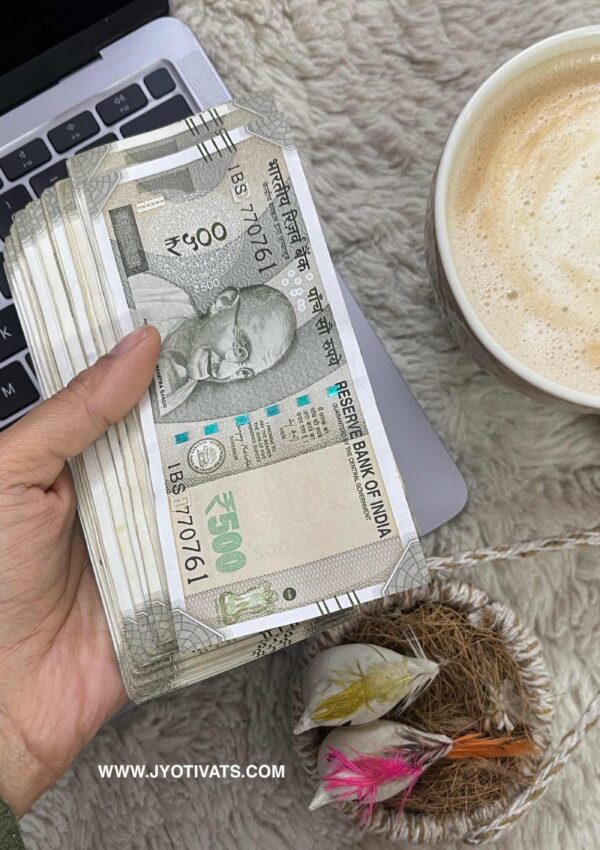
- Saving every ₹100 note
- 30-day saving challenge
- Weekly money check-ins
Small challenges create long-term habits.
12. Compare Before Buying
Before making purchases, compare:
- Prices
- Reviews
- Quality
- Alternatives
This is especially useful for online shopping.
A few minutes of research can save money.
13. Buy Quality Over Quantity
Cheap products may look affordable. However, replacing them repeatedly can cost more. Invest in items that last longer.
This applies to:
- Clothes
- Appliances
- Home products
- Work tools
Smart buying is an important part of learning how to economize money.
My Personal Experience
I have been a strong believer in saving money since childhood. Developing this habit early in life has helped me maintain excellent control over my finances and has given me a great sense of peace of mind.
I prefer paying with cash whenever possible because it helps me stay aware of how much I am spending. I also check my bank balance regularly to keep track of my finances and monitor my spending habits. Additionally, I use expense-tracking apps to manage my budget and record my expenses.
My financial philosophy is simple: I save first and spend later. This approach has helped me stay financially disciplined and prepared for both planned and unexpected expenses.
14. Automate Your Savings
One of the easiest ways to save money is to remove the decision-making process.
When saving depends only on motivation, it can easily be skipped. However, automatic savings can make the habit much easier.
You can set up an automatic transfer after receiving your income.
For example, a small amount can be moved into a separate savings account every month.
This simple step answers a common question many people ask:
“How do you save money when life gets busy?”
The answer is to make saving happen automatically.
15. Use Separate Accounts For Different Goals
Keeping all your money in one account can make budgeting difficult.
Instead, create different categories for different needs.
You can have:
- Daily expense account
- Emergency savings account
- Travel fund
- Future investment fund
This makes your money easier to manage.
Also, when savings are separated, you are less likely to spend them accidentally.
16. Reduce Electricity And Utility Costs
Small changes at home can reduce monthly bills.
Simple habits include:
- Turning off unused lights
- Using energy-efficient appliances
- Reducing unnecessary water usage
- Unplugging unused devices
These changes may look small.
However, they can create noticeable savings over time.
For families, this is one of the easiest ways to reduce expenses without affecting lifestyle.
17. Plan Your Clothes Shopping
Fashion is enjoyable, but unnecessary shopping can affect your budget.
Instead of buying randomly, create a wardrobe plan.
Before purchasing clothes, check:
- Do I already own something similar?
- Can I style this in multiple ways?
- Is it good quality?
Building a simple capsule wardrobe can also help.
You will have fewer clothes but more outfit options.
18. Learn To Make Money Work For You
Saving is important.
However, learning the best ways to make money with money can help you grow financially.
Once you have savings, consider learning about:
- Investments
- Mutual funds
- Fixed deposits
- Other financial options
Always research carefully before choosing any financial product.
The goal is to make your money grow instead of keeping it unused.
19. Reduce Debt Gradually
Debt can make saving feel impossible.
If you have loans or credit card balances, create a repayment plan.
Start by:
- Paying bills on time
- Avoiding unnecessary borrowing
- Reducing high-interest debt
Even small extra payments can help over time.
A debt-free mindset creates more space for savings.
20. Use Cashback And Rewards Wisely
Cashback offers can be useful when used carefully. They should not encourage unnecessary spending. Before buying something, ask yourself:
“Would I buy this even without cashback?”
If yes, rewards can become a small bonus. If not, the discount may actually increase spending.
21. Create A Weekly Money Check-In
Many people review their money only once a month.
However, weekly check-ins(I would rather recommend daily check-ins) can be more effective.
Spend 10 minutes checking:
- What did I spend?
- Did I stay within my plan?
- What can I improve?
This habit helps you stay aware.
Small corrections are easier than fixing big financial problems later.
22. Save Money On Celebrations And Gifts
Festivals and celebrations can increase spending. However, meaningful gifts do not always need to be expensive.
You can:
- Make homemade gifts
- Plan purchases early
- Use creative packaging
- Set spending limits
Thoughtful gifts often create better memories.
23. Teach Your Family About Saving
Saving becomes easier when everyone participates. Children can learn simple money habits early.
You can teach:
- Saving small amounts
- Avoiding waste
- Making thoughtful choices
When the whole family understands saving, financial goals become easier.
24. Find Extra Income Opportunities
Saving is important. However, increasing income can also improve your financial situation.
Women today are exploring:
- Blogging
- Make money pinning on pinterest
- Freelancing
- Online courses
- Affiliate marketing
- Digital products
Extra income can be used for savings and investments. It can also create more financial independence.
25. Review Your Financial Goals Regularly
Your financial goals will change with time. Therefore, review them regularly.
Ask yourself:
- What am I saving for?
- Are my goals realistic?
- Do I need to adjust my plan?
Financial planning is not a one-time activity. It is a habit that grows with your life.
How Can I Save Money Without Feeling Restricted?
Many people think saving means giving up everything enjoyable. However, that is not true.
The best saving habits create balance.
You can still enjoy:
- Shopping
- Travel
- Beauty routines
- Family activities
The goal is not to remove happiness.
The goal is to spend intentionally. When you understand your priorities, saving becomes easier.
How Could I Save Money As A Busy Woman?
For busy women, simple systems work best.
Try:
- Automatic savings
- Meal planning
- Shopping lists
- Monthly reviews
- Separate accounts
You do not need complicated financial methods. Small habits repeated consistently create bigger results.
Conclusion: Small Money Habits Create Big Changes
Saving money does not happen overnight. It is created through small choices made every day.
Whether you are trying to build an emergency fund, reduce expenses, or understand how can I save money, every step matters. The most important thing is to start.
You do not need a perfect financial plan. You only need consistent action.
Start with one habit today and slowly build from there.
If you enjoyed these tips, join my email list for more simple money, blogging, and lifestyle ideas. Also, share your favorite saving tip in the comments because your experience may help another reader.
Always Remember:
“Small financial habits repeated consistently often create stronger results than occasional big efforts.”
FAQ: Saving Money Tips
1. How can I learn to save money?
You can learn saving habits by tracking your expenses, creating a budget, setting goals, and practicing small daily money habits. Start with simple steps instead of trying to change everything at once.
2. How can I save money on a low income?
Start by focusing on essential expenses, reducing unnecessary spending, and saving small amounts regularly. Even small savings can grow over time when done consistently.
3. How do I save money every month?
Create a monthly budget, automate your savings, and decide your savings amount before spending. Treat savings like an important monthly expense.
4. What is the best way to build an emergency fund?
Start with a small monthly amount and gradually increase it. Keep emergency savings separate from your daily spending account so it remains untouched.
5. How do we save money as a family?
Families can save by planning budgets together, reducing waste, shopping smartly, and setting shared financial goals.





Leave a Reply